3 Ludgate Square · London

Located in
City of London

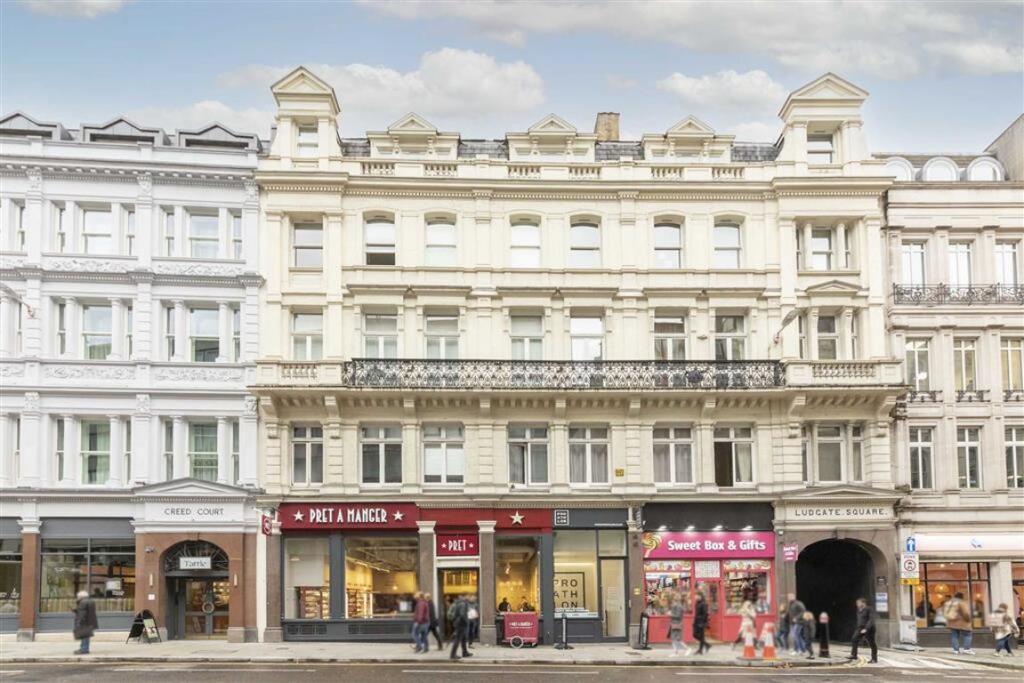
Located in the heart of the City by St Paul's Cathedral — A Grade 2 listed building originally built in 1877 by the architect Charles Bell and rebuilt in 2001 as a residential building.

Explore the area
Scroll

Surrounded by history.

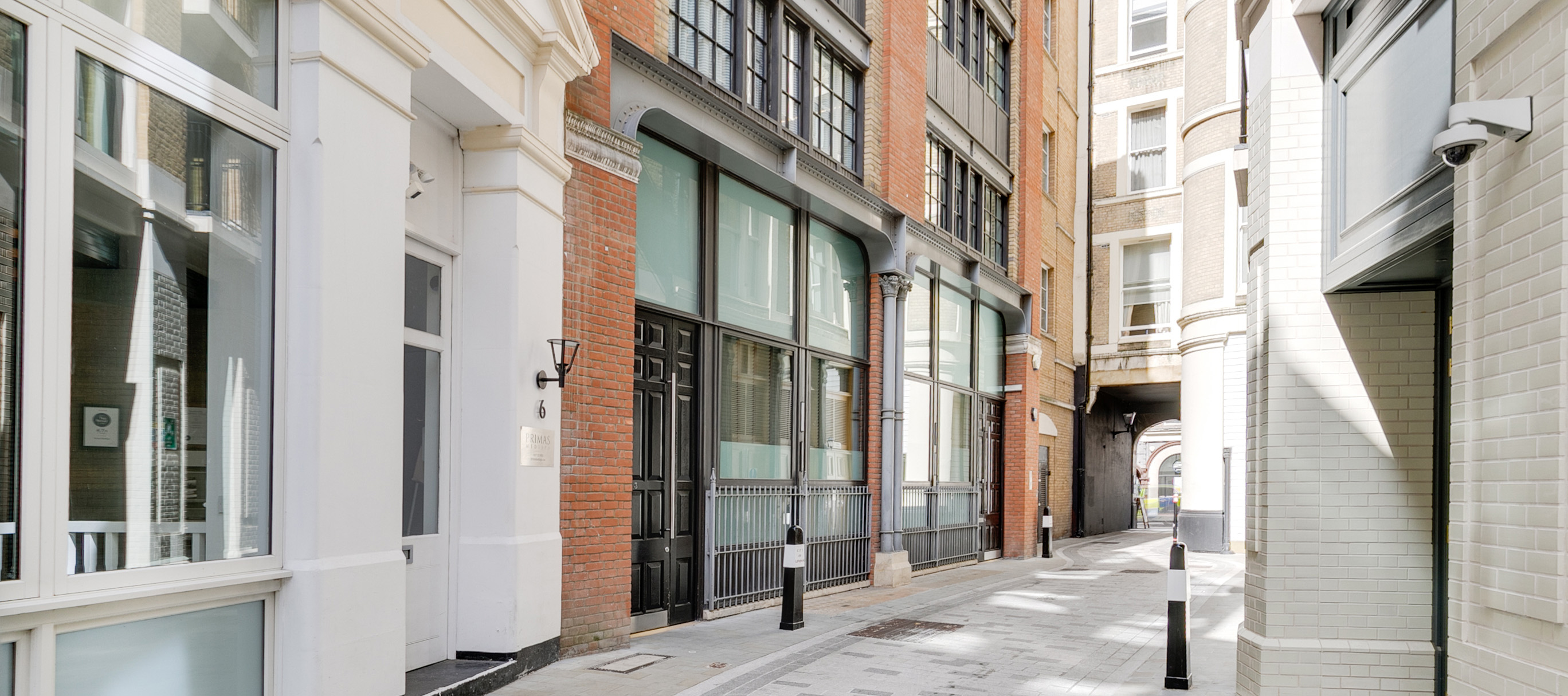
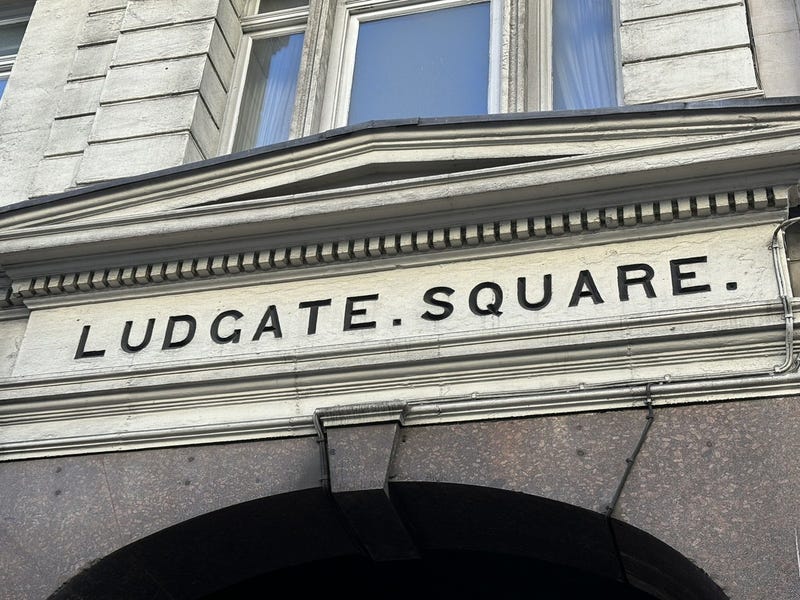
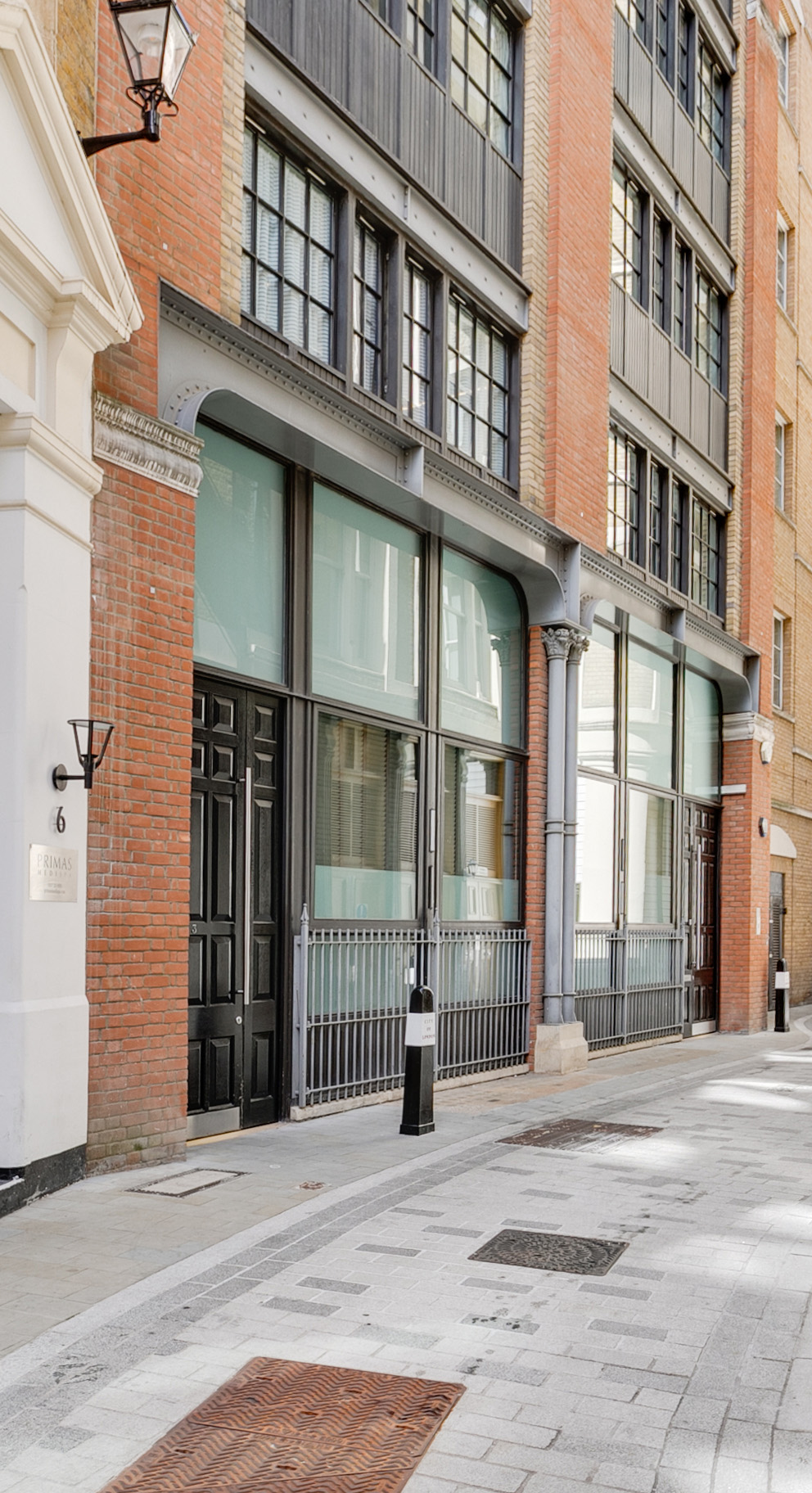
Nestled off Ludgate Hill, Ludgate Square is a pedestrianised passageway — a rare tranquil enclave in the heart of the City.
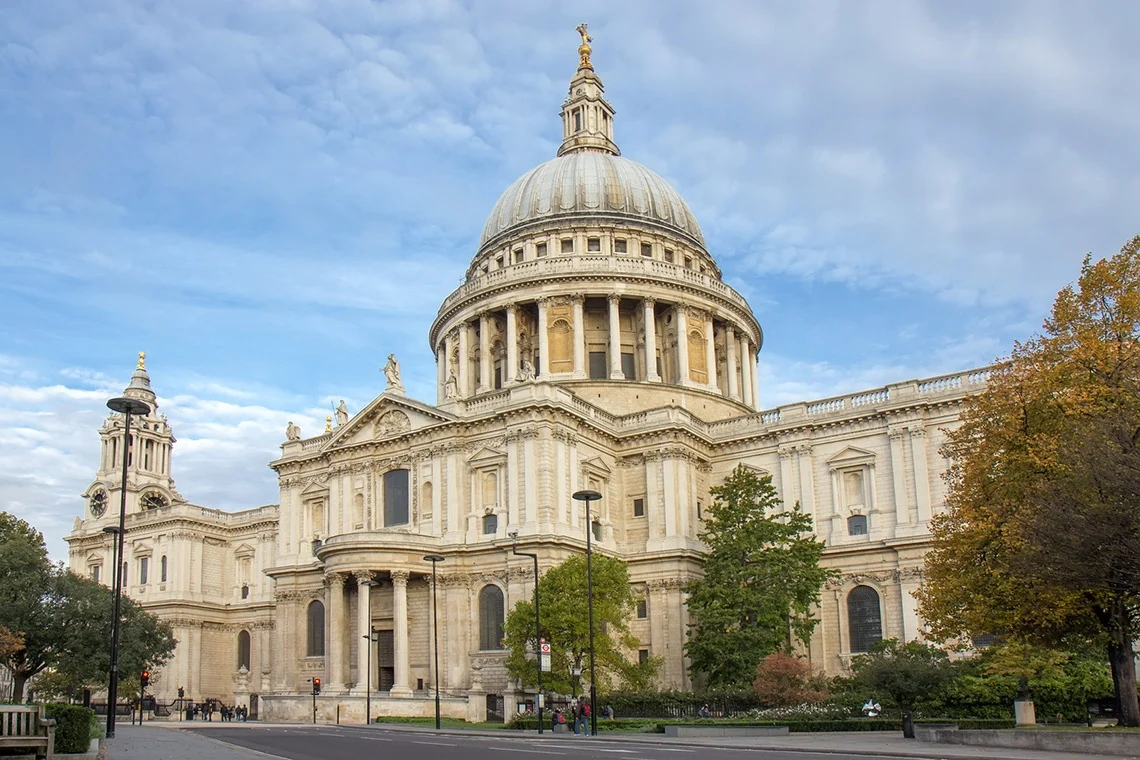
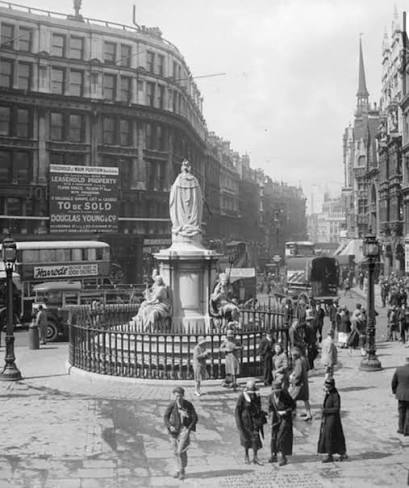
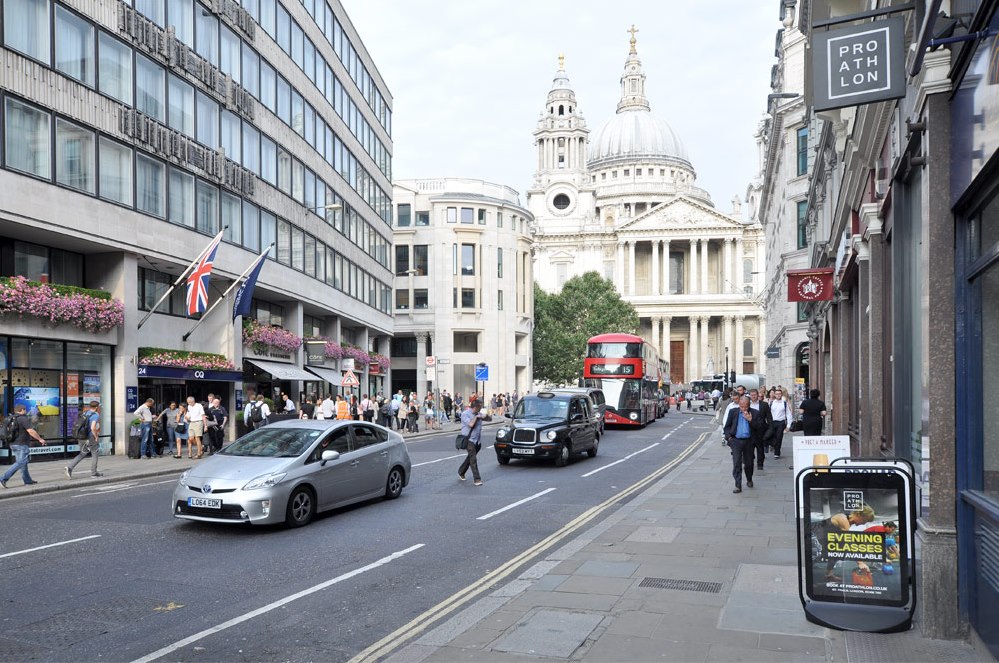
Number 3 sits within this intimate street, moments from the great dome of St Paul's Cathedral and surrounded by centuries of layered London history.

The area was pedestrianised by the City of London Corporation in 1993, restoring the alley's ancient character as a place apart from the bustle of the surrounding streets. The original building suffered bomb damage during World War 2. It remained vacant up until 1987, being one of the last remaining bomb sites in the City of London before work started on the now residential block.

For residents of Ludgate Square, daily life unfolds against one of the world's most storied urban backdrops — Wren's cathedral, the ancient Ludgate, the Thames just minutes away, and the living pulse of the Square Mile on every side.
3 Ludgate Square, City of London

Historic Ludgate Hill

Two thousand years at the gate

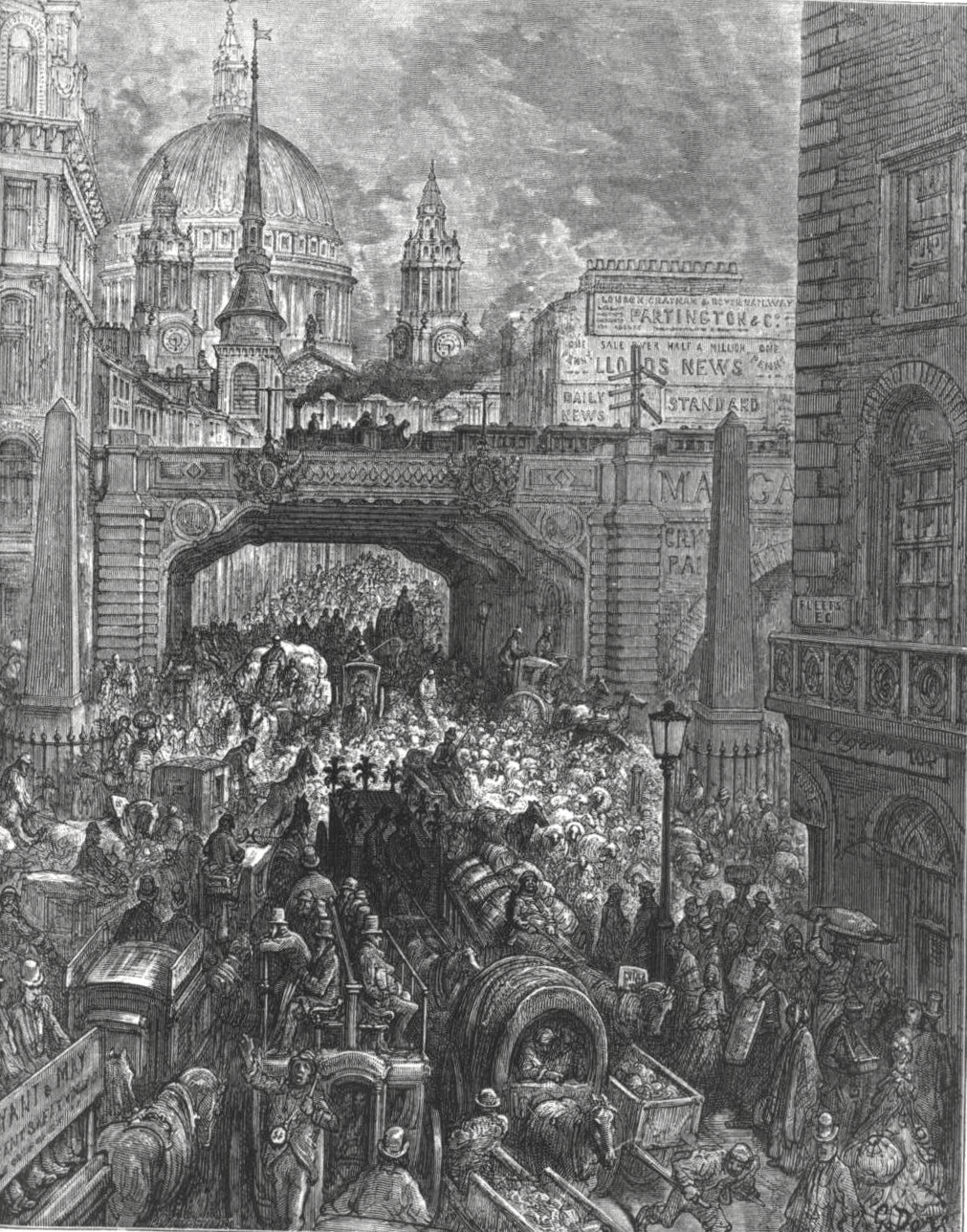
Few streets in London can claim a history as deep as Ludgate Hill. From a Roman road threading through the ancient city wall, to the medieval prison above the city gate, to the catastrophe of the Great Fire and the triumph of Christopher Wren's rebuilding — this small corner of the City has witnessed London's entire story. Ludgate Square sits at its very heart.

AD 190

The Roman Gate

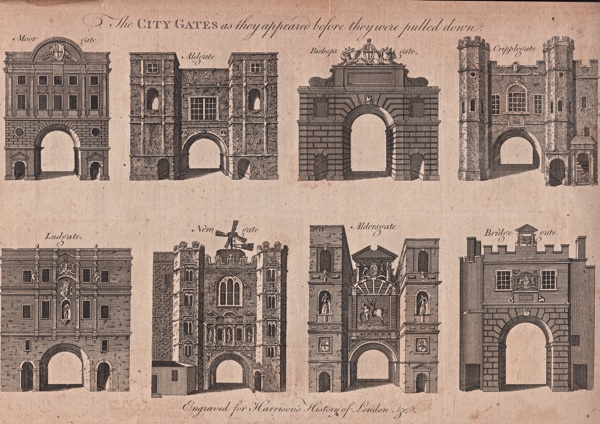
Work on London Wall begins around 190 AD. The Ludgate — almost certainly one of the four original gates in the Roman wall — controls the road running east from the Fleet valley into the heart of Londinium. The name is believed to derive from the Saxon hlid-geat, meaning "swinging gateway into a city," although medieval legend attributed it to the mythical King Lud.

AD 604

The First Cathedral

Mellitus, the first Bishop of London, consecrates the very first church dedicated to St Paul on top of Ludgate Hill in 604 AD — establishing what will become one of the world's great sacred sites. The cathedral sits on the highest point in old Londinium, dominating the skyline of the young city.

1087

Norman Cathedral

A devastating fire destroys the existing church. William the Conqueror donates stone from a demolished fortress to begin the great Norman cathedral. Construction will span more than two hundred years, producing one of the largest and tallest churches in medieval Europe, with a spire taller even than today's dome.

1130s

Montfichet's Tower

A Norman fortress — Montfichet's Tower — stands between what are now St Paul's Cathedral and City Thameslink station, its moat dominating the south side of Ludgate Hill. First documented around 1130, it is demolished by King John in 1213, and the site is later sold to build the great Dominican priory of Blackfriars.

1450

The Gate Rebuilt & the Debtors' Prison

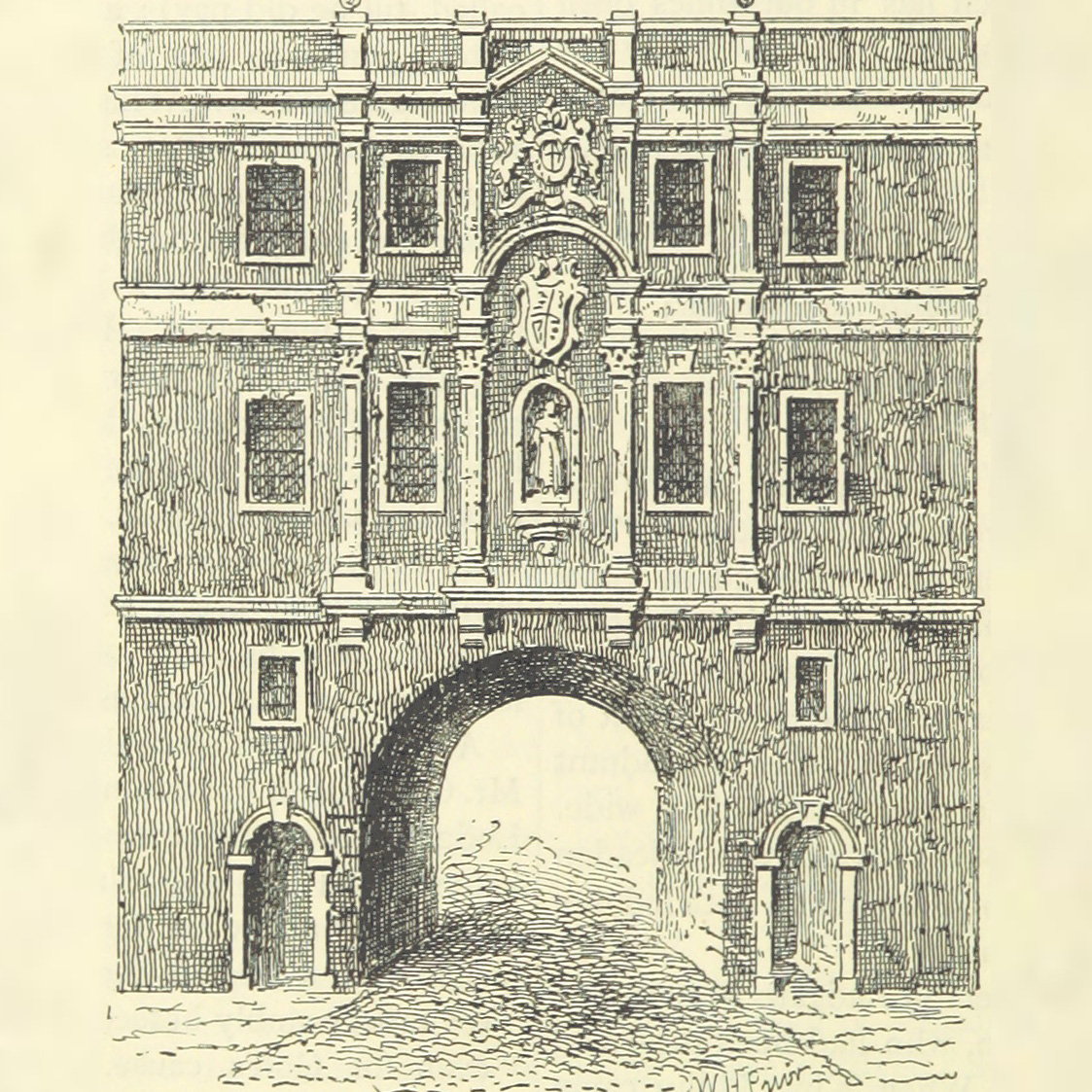
A merchant named Foster — himself once a debtor imprisoned above the gate — rebuilds Ludgate and becomes Sir Stephen Foster, Lord Mayor of London. His widow Agnes renovates and extends the prison attached to the gate, also abolishing the practice of making debtors pay for their own food and lodging. A brass memorial plaque honours her generosity.

1666

The Great Fire

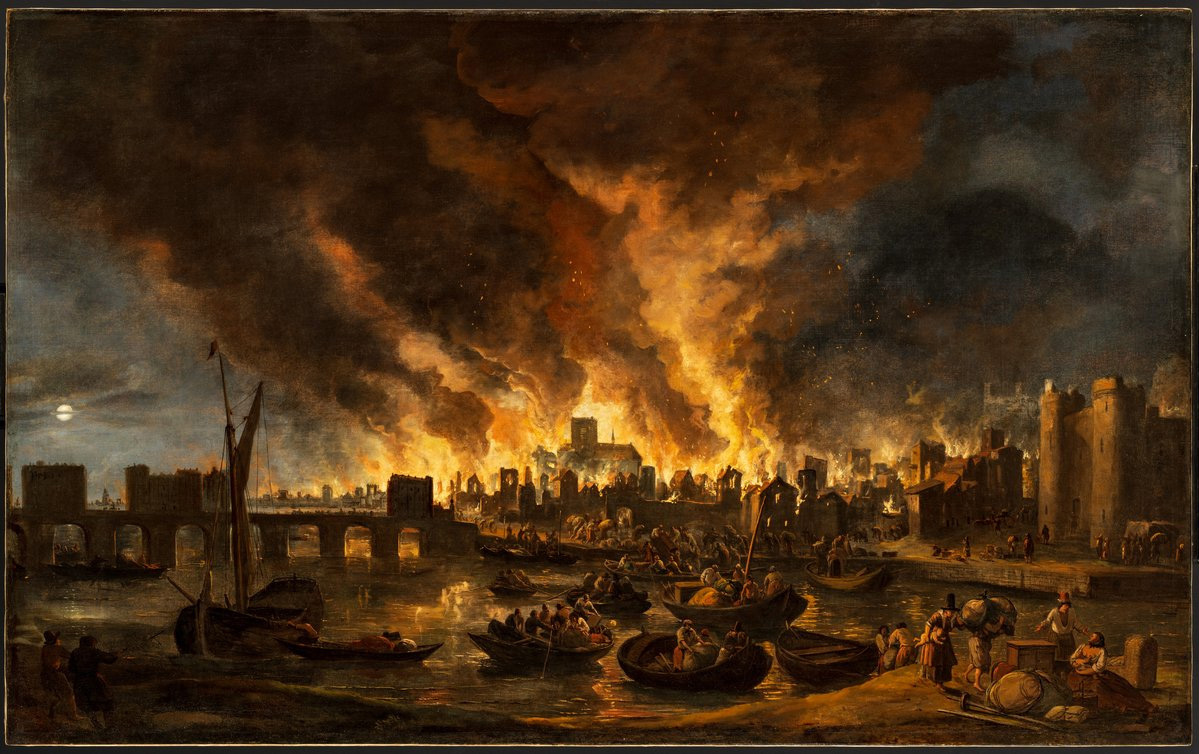
The Great Fire of London breaks out on Pudding Lane on 2 September 1666. By 4 September the inferno has reached Ludgate — the westernmost gate is consumed. The medieval cathedral, then clad in wooden restoration scaffolding, ignites. Eyewitness John Evelyn records the lead roof melting and flowing "like a stream down Ludgate Hill." Both the gate and the cathedral are destroyed. The fire ultimately consumes 13,200 homes and 87 parish churches.

1675–1710

Christopher Wren Rebuilds

Sir Christopher Wren designs the new St Paul's Cathedral in his English Baroque style, completed in 1710 when his son lays the final stone on the dome's lantern. Wren himself is later buried within the cathedral. The rebuilt City — including Wren's 51 new parish churches — transforms Ludgate Hill and the surrounding area into the architectural ensemble that shapes the City's character to this day.

1760

The Gate Comes Down

After centuries as a prison, a toll gate and a symbol of London's ancient boundaries, Ludgate is finally demolished on 30 July 1760. Its memory lives on in Ludgate Hill, Ludgate Circus and Ludgate Square — names that preserve the site of the city's oldest western gateway.

1940

The Blitz Spirit

During the Second World War, the Luftwaffe bombs the City on repeated nights. St Paul's Cathedral survives, despite three bombs striking it. The famous photograph of the dome rising through the smoke of the Blitz becomes an enduring symbol of London's resilience. The buildings around Ludgate Square suffered bombing damage with No. 3 remaining vacant until re-building started in 1987. The building work was interrupted by a fire on the site, but continued soon after.

1993

Pedestrianised

The City of London Corporation pedestrianises Ludgate Square, restoring its character as a quiet enclave set apart from the surrounding streets. A relic of the area's warehouse past — a first-floor pulley and winch once used to lift cargo — remains visible on one of the buildings, a small monument to the alley's Victorian commercial life mostly in the fur trade.

Transport links

3 Ludgate Square enjoys exceptional transport connections. The building sits on Ludgate Hill, steps from City Thameslink station and within easy walking distance of St Paul's Underground, Blackfriars, and Farringdon — giving residents access to virtually every corner of London and beyond.

City Thameslink

2 minutes walk · Ludgate Hill entrance

  • Thameslink St Pancras, Farringdon, Blackfriars
  • Direct services to Gatwick Airport & Luton Airport Parkway
  • Direct services to Brighton, Bedford and beyond
  • Step-free access via lifts (Ludgate Hill entrance)
  • London Fare Zone 1

London Underground

St Paul's: 6 min walk · Blackfriars: 8 min walk

  • Central Line St Paul's station — Oxford Circus, Liverpool Street, Bank
  • Circle District Blackfriars — direct to Westminster, Victoria, Paddington
  • Farringdon (10 min walk) — Elizabeth Line, Hammersmith & City, Metropolitan

London Buses

Stop: Ludgate Hill / Old Bailey — 1 min walk

  • 8 Bow Church ↔ Tottenham Court Road
  • 25 Ilford ↔ Oxford Circus
  • 26 Hackney ↔ Waterloo
  • 76 Tottenham ↔ Waterloo
  • Night buses N8, N25, N26, N63 also serve the stop

Blackfriars Pier & Other Links

Blackfriars Pier: 10 min walk

  • River Bus RB1 & RB6 Thames Clipper services
  • Direct river services to Canary Wharf, Greenwich, Westminster
  • Blackfriars National Rail & District / Circle lines — 8 min walk
  • Santander Cycles docking station at Ludgate Circus

Get in touch

Address

3 Ludgate Square
London
EC4M 7AS

Nearest Station

City Thameslink — 2 minutes walk
Ludgate Hill entrance